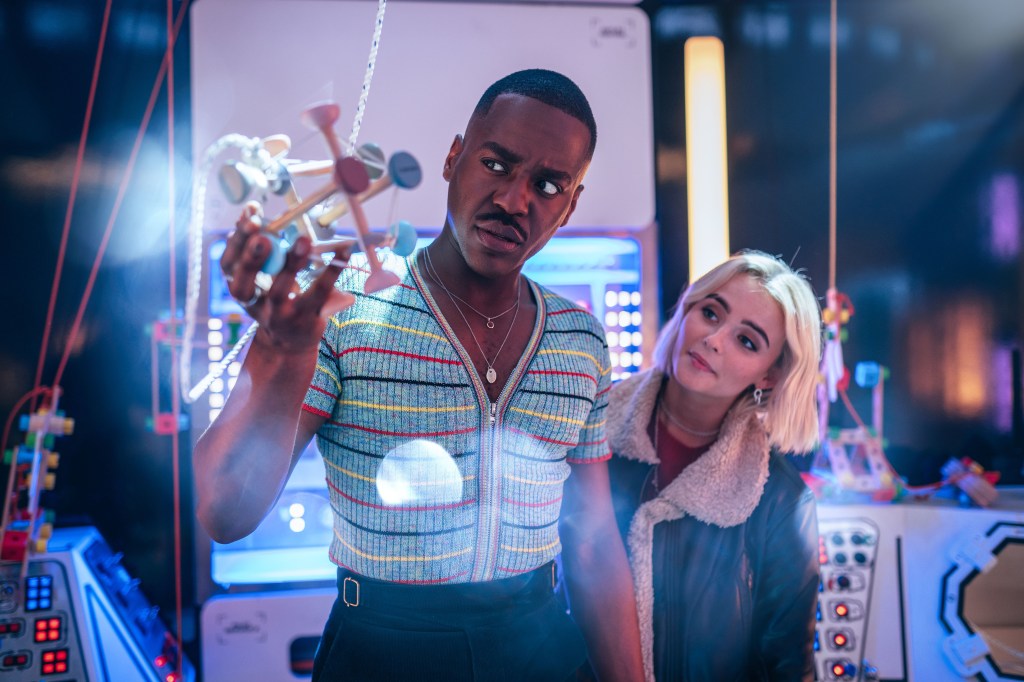
Daniel Mansfield reviews the first episode of Season One (or is it Series 14) of Doctor Who – Space Babies!
After making his debut in the gamechanging 60th Anniversary Special The Giggle, Ncuti Gatwa has his first proper outing as the Fifteenth Doctor in last Christmas’s The Church on Ruby Road. With goblins and musical numbers it’s safe to say this was quite a divisive story, with some loving this new direction for the show, and others thinking it a little too far from the traditional Who formula. I have to say I was part of the latter camp – while I loved Ncuti’s performance, I thought the story was quite weak, and didn’t characterise new companion Ruby (Millie Gibson) very well.
A Christmas Special is hardly the best litmus test for what Doctor Who is like, though- they tend to be frothier, slightly rompy episodes that feel quite different from your run-of-the-mill Who story. So, despite my misgivings with The Church on Ruby Road, I knew I should wait for the series proper to make any real judgments. And, five months later, here we are! So, let’s take a look at series opener Space Babies, written by showrunner Russell T Davies.
Last of the Time Lords
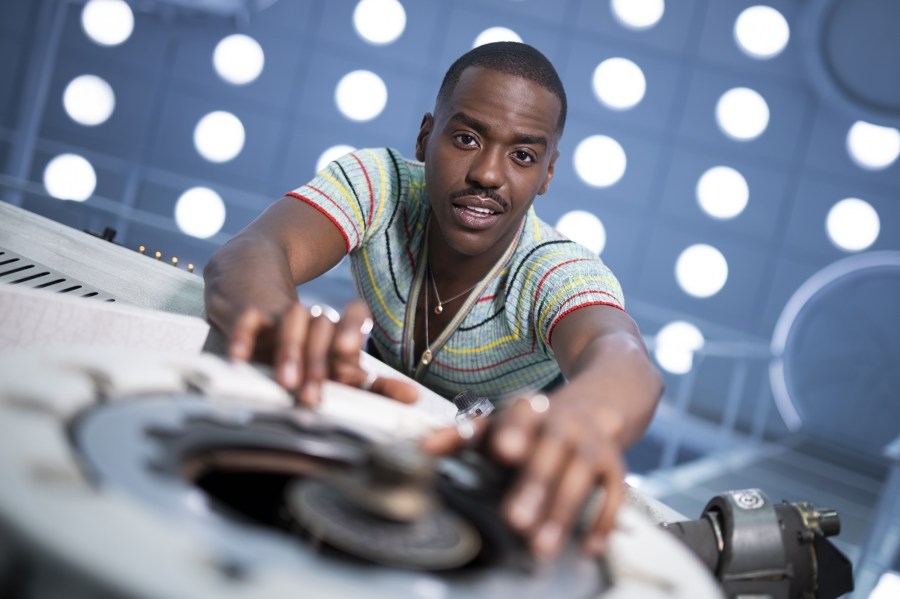
Ncuti Gatwa made an instant impression as the Doctor when he debuted in The Giggle, though I felt he was a little muted in The Church on Ruby Road. Thankfully he’s back on top form here, with some brilliant moments throughout the story. The scene where he reveals to Ruby that the Time Lords were killed in a genocide is heartbreaking, Gatwa brushing the fact off but still managing to show how hurt the Doctor is by what happened.
The Doctor’s moments with the Space Babies were also great, particularly his conversation with Poppy about ‘growing up wrong’. I love how this series is exploring the ramifications of the Timeless Child through the lens of adoption and unconventional childhoods; not only are these important discussions to have in general, but they continue to prove that the Timeless Child was a great idea from Chris Chibnall, pushing the Doctor’s character in fascinating new directions.
That the Doctor’s decision to save the Bogeyman at the story’s climax ties directly into the main themes of the story – childhood, abandonment, adoption and being the last of one’s kind- is great, meaning this story feels thematically rich and thought-through, even if the plot itself is nothing to write home about.
Ruby Sunday
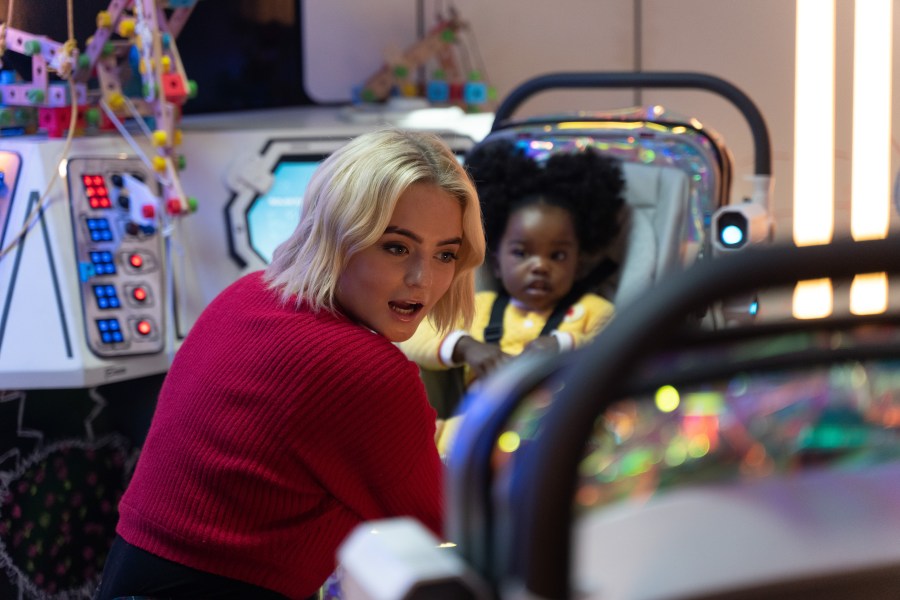
After not really warming to Ruby in the Christmas special (though I liked Millie Gibson‘s performance), I really enjoyed the take on the character here. Her excitement and eagerness is refreshing given some of the more muted reactions of more recent companions to the Doctor’s world, and I adored the continued parallels between the circumstances of her birth and those of the Doctor.
Unlike most companions, who are usually drip-fed information about the Doctor, Ruby learns pretty much everything here. This seems to have been quite controversial online, with some calling it an infodump, but I really enjoyed the way things were done here. It all felt very natural to me, and it means the Doctor and Ruby can become closer quicker, rather than the slightly detached dynamic we saw with the Thirteenth Doctor and her companions, from whom she withheld pretty much everything about herself. I also loved the butterfly scene with Ruby’s reptilian alter ego Rubathon Blue, even if it’s not quite clear how the Doctor managed to reverse it.
The only parts about Ruby that didn’t ring true for me in this episode were those involving her family. The moment when she calls Carla using her newly upgraded phone hearkens back to when Rose did the same in The End of the World, or Martha in 42, but without any of the emotional beats from those stories. Similarly, when Ruby returns to visit Carla and Cherry in the final scene, the episode just ends; we never get to see her explaining herself and the Doctor to them, it all just happens offscreen. Despite all that, I wouldn’t remove Carla and Cherry from the episode entirely, if only to keep the immortal line “what the blinking flip?”.
Space Babies!
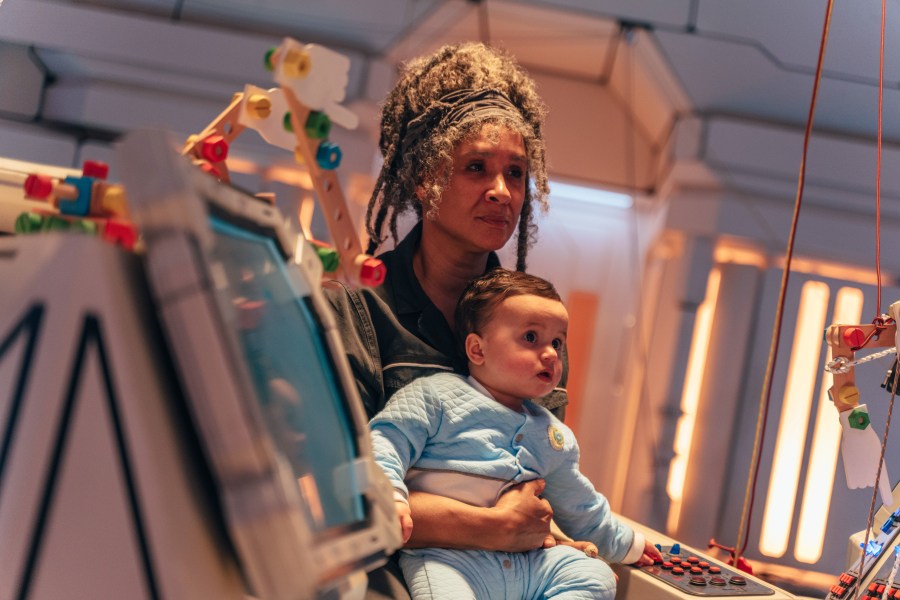
First of all, let me say that I absolutely love the idea of the Space Babies. Talking babies crewing a space ship is such a Doctor Who idea, and the way they’re used to subtly explore reproductive rights (or lack thereof) is the kind of pointed social criticism that this show should be doing. The way they were executed, however, I thought left a lot to be desired. Firstly, there’s no explanation as to why the babies grew up the way they did. What caused them to stay baby sized but learn how to speak and operate spaceship controls? It felt like there was a missing explanation.
Secondly, the CGI mouths don’t really work. There are some moments where the babies’ expressions perfectly match what they’re saying, particularly with Captain Poppy, but most of the time it just looks a bit odd. Lastly, the performances from the voice actors playing Poppy and Eric are far too subtle. It doesn’t feel like there’s any expression there, which is essential given the baby actors can’t actually express themselves.
What I thought really did work was Golda Rosheuvel as Jocelyn Sancerre. The decision to have her seal herself away from the babies for six years could have felt contrived, but thanks to Rosheuvel’s performance and Davies’ writing, the notion that she would rather stay isolated than subject either herself or the babies the horror of seeing death feels such an authentic, human character beat. I also loved the Nan-E filter, a simple idea that got a few laughs out of me.
I did think the Space Babies and Jocelyn’s storyline came to a bit of a premature end. The Doctor jettisons the methane (another bit of great setup/payoff) and sends them all hurtling towards Mondo Caroon, but we never find out if they got there safely or what happened to them afterwards. For a story that’s supposed to show the triumph of these children in the face of their abandonment, it feels a little remiss for us never to learn their ultimate fate. But who knows, maybe we’ll find out in a future episode. It would, after all, be very interesting if this story ended up linking to Ruby’s arc at some point.
The Bogeyman
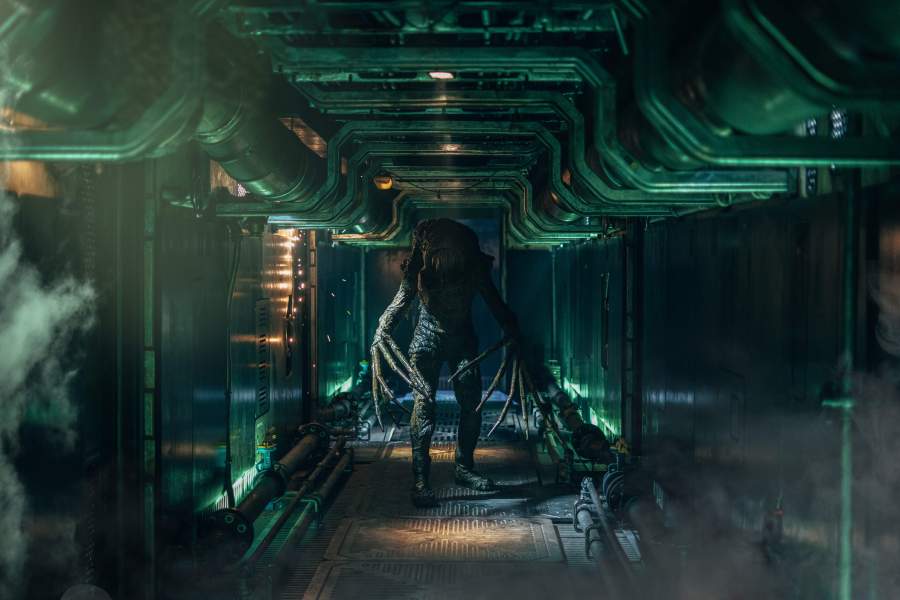
First of all, this is a really well-realised monster… sorry, creature I haven’t met yet. Sometimes Doctor Who aliens can look a bit like a man in a suit, but the spindly fingers and forward-mounted head really help the Bogeyman to feel realistic. Julie Anne Robinson‘s direction also helps, giving us quick, snatched glimpses of the creature throughout the episode, and lighting the sets in such a way that we never look at it for too long, meaning the illusion that it’s a real creature holds up a lot more.
While the explanation of what the Bogeyman actually is feels like a bit of a predictable twist, the revelation is well done, and expertly signposted in the earlier noseblowing scenes. Like with the Space Babies, we never find out what happens to the Bogeyman after Jocelyn and the babies learn its true nature, so it feels like we’re only getting half of its storyline, which is a shame.
Additionally, the Bogeyman never really feels like a proper threat – all it does is chase people around and roar. Because it’s so far removed from the Babies, living on the lower decks of the ship and never venturing up, it feels like a bit of a non-issue. Of course, it does actually end up being a non-issue, but when the only other threat in the episode is puffs of steam coming out of the walls (a sign of the pressure buildup mentioned by Jocelyn), things end up feeling very flat. That said, the climactic airlock scene is great, really well-executed and a nice conclusion to the ‘push the button’ motif threaded through the episode.
Direction
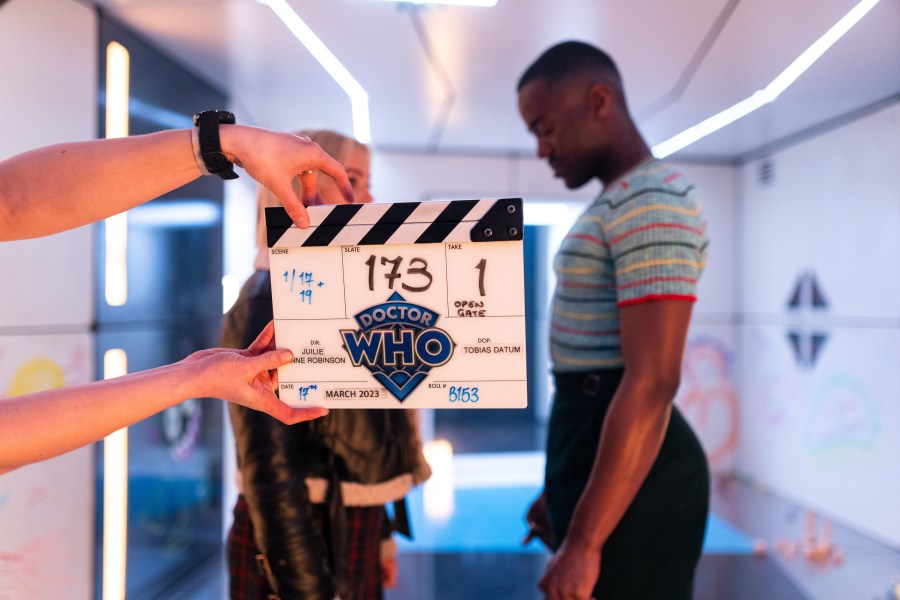
A major part of why I didn’t enjoy The Church on Ruby Road was the direction, which I thought was majorly lacking. Thankfully Julie Anne Robinson proves an excellent addition to the Whoniverse‘s pool of directors, and this is evident right from the first scene, which is a reshoot of The Church on Ruby Road‘s ending but done a hundred times better.
Throughout the episode, Robinson makes lots of little directorial decisions that prove extra care has been taken with this episode. The choice to have the Doctor and Ruby literally take off as the TARDIS does is so fun, as is the decision to make the babies’ pushchairs quiver when they’re scared, which helps to communicate their emotions even though the reality of working with babies means they aren’t very expressive.
Another impressive scene is the moment when it begins to snow as the Doctor and Ruby think back to the church on Ruby Road. The match cuts between the station and the church, Murray Gold‘s haunting score (reprised in the final scene), Ncuti Gatwa‘s slightly baffled, slightly scared look when he’s hugging Ruby and the sheer strangeness of snow falling indoors all come together to form a truly memorable scene.
My only gripe (and it’s not even really a gripe, more of a regret) with this episode’s execution is the loss of the Push the Button musical moment just before the TARDIS takes off for the first time. I’ve seen people saying that, without this moment, all of the ‘Push the Button’ references throughout the episode make no sense and, while I don’t think that’s quite the case (after all, the Doctor literally is pushing buttons), it does feel a little bit weird that the Doctor keeps referencing the song when it never actually plays. If nothing else, I just wanted to see the TARDIS jukebox in action!
Final Thoughts
I’m happy to report that, with Space Babies, my fears about this new era of the show have been allayed somewhat, though not entirely. While there’s a lot to love here, there’s equally a lot that doesn’t work, which means this is far from the greatest of Doctor Who series openers. It’s also far from the worst, with a simple, very Doctor Who plot, authentic character moments, excellent production values and two star performances from Ncuti Gatwa and Millie Gibson.
Space Babies is available to watch on BBC iPlayer in the UK and on Disney + in the rest of the world

 Who Review
Leave a comment